Buy agave.eu ?
We are moving the project
agave.eu .
Are you interested in purchasing the domain
agave.eu ?
domain@kv-gmbh.de · 0541-91531010
Buy agave.eu ?
What are peptide bonds?
Peptide bonds are covalent bonds that link amino acids together in a protein chain. They are formed through a condensation reaction between the carboxyl group of one amino acid and the amino group of another amino acid, resulting in the release of a water molecule. Peptide bonds are crucial for maintaining the structure and function of proteins, as they determine the sequence of amino acids in a protein chain. **
What is correct: peptide bond?
A peptide bond is a covalent bond that forms between the carboxyl group of one amino acid and the amino group of another amino acid during protein synthesis. This bond is formed through a condensation reaction, where a molecule of water is removed. The resulting bond is a strong and stable linkage that holds the amino acids together in a protein chain. Therefore, the correct term is "peptide bond" to describe this specific type of covalent bond between amino acids. **

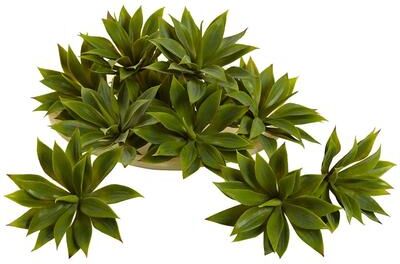
Similar search terms for Peptide
Top-Angebote
Products related to Peptide:
-
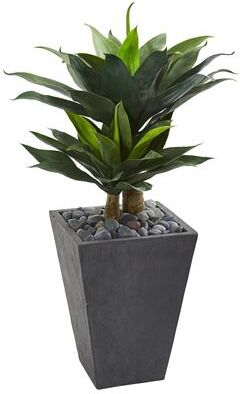
Nearly Natural "37"" Double Agave Succulent Artificial Plant in Slate Planter"Welcome a relaxed vibe with this artificial double agave succulent. Showcasing realistic looking leaves in natural coloration stemming from two sturdy trunks, it projects southwestern flair.141,46 $*Shipping: 0,00 $Secure redirect to the provider
-
Nearly Natural "33"" Double Agave Succulent Artificial Plant in White Planter"Incorporate tropical accenting throughout your environment with this artificial double agave plant consisting of realistic looking leaves boasting naturally occurring details in bright, vivid hues.160,99 $*Shipping: 0,00 $Secure redirect to the provider


-
What is a peptide bond, peptide chain, peptide group, di-, tri-, and polypeptide? Can you please explain this briefly and simply? Thank you.
A peptide bond is a chemical bond that forms between the carboxyl group of one amino acid and the amino group of another amino acid. When multiple amino acids are linked together by peptide bonds, they form a peptide chain. A peptide group refers to a group of amino acids linked together by peptide bonds. A dipeptide is a chain of two amino acids, a tripeptide has three amino acids, and a polypeptide is a chain of many amino acids linked together. These chains of amino acids are the building blocks of proteins. **
-
What is the stability of peptide bonds?
Peptide bonds are relatively stable under normal physiological conditions. They are formed through a condensation reaction between the carboxyl group of one amino acid and the amino group of another, resulting in the release of a water molecule. This covalent bond is strong and resistant to hydrolysis, making it stable in the presence of water. However, under extreme conditions such as high temperature or strong acids or bases, peptide bonds can be hydrolyzed, leading to the breakdown of the peptide chain. **
-
How does hydrolysis occur during peptide cleavage?
Hydrolysis occurs during peptide cleavage when a water molecule is used to break the bond between the carboxyl group of one amino acid and the amino group of another. This process involves the addition of a water molecule to the peptide bond, resulting in the separation of the two amino acids. The water molecule donates a hydrogen ion to one amino acid and a hydroxide ion to the other, causing the bond to break and the peptide to be cleaved. This hydrolysis reaction is catalyzed by enzymes called proteases, which facilitate the cleavage of peptides in biological systems. **
-
Why are peptide bonds not freely rotatable?
Peptide bonds are not freely rotatable because of the partial double bond character that arises from resonance in the peptide bond. This restricts the rotation around the bond and locks the peptide backbone into a planar structure. The resonance forms a rigid, flat structure that allows for the formation of the alpha helix and beta sheet secondary structures in proteins. This rigidity is essential for maintaining the specific three-dimensional shape and function of proteins. **


Which option is better: agave syrup or maple syrup?
The choice between agave syrup and maple syrup ultimately depends on personal preference and dietary needs. Agave syrup has a lower glycemic index, making it a better option for individuals monitoring their blood sugar levels. On the other hand, maple syrup contains more antioxidants and minerals, such as manganese and zinc. Both syrups can be used as natural sweeteners, so it is important to consider your health goals and taste preferences when choosing between the two. **
How does one go from DNA to peptide?
The process of going from DNA to peptide involves several steps. First, the DNA sequence is transcribed into messenger RNA (mRNA) by the enzyme RNA polymerase. The mRNA is then translated by ribosomes, which read the mRNA sequence in groups of three nucleotides called codons. Each codon corresponds to a specific amino acid, which is the building block of a peptide. As the ribosome reads the mRNA, it links together the corresponding amino acids to form a peptide chain. This chain of amino acids folds into a specific three-dimensional structure to form a functional peptide. **
Top-Angebote
Products related to Peptide:
-
Nearly Natural "29"" Double Agave Succulent Artificial Plant"Make your space green and full of life with this realistic-looking artificial succulent. Green leaves give the plant a lush, healthy look, while the plain black planter is simple and easy to match.84,52 $*Shipping: 0,00 $Secure redirect to the provider
-
Nearly Natural "37"" Double Agave Succulent Artificial Plant in Slate Planter"Welcome a relaxed vibe with this artificial double agave succulent. Showcasing realistic looking leaves in natural coloration stemming from two sturdy trunks, it projects southwestern flair.141,46 $*Shipping: 0,00 $Secure redirect to the provider
-
What are peptide bonds?
Peptide bonds are covalent bonds that link amino acids together in a protein chain. They are formed through a condensation reaction between the carboxyl group of one amino acid and the amino group of another amino acid, resulting in the release of a water molecule. Peptide bonds are crucial for maintaining the structure and function of proteins, as they determine the sequence of amino acids in a protein chain. **
-
What is correct: peptide bond?
A peptide bond is a covalent bond that forms between the carboxyl group of one amino acid and the amino group of another amino acid during protein synthesis. This bond is formed through a condensation reaction, where a molecule of water is removed. The resulting bond is a strong and stable linkage that holds the amino acids together in a protein chain. Therefore, the correct term is "peptide bond" to describe this specific type of covalent bond between amino acids. **
-
What is a peptide bond, peptide chain, peptide group, di-, tri-, and polypeptide? Can you please explain this briefly and simply? Thank you.
A peptide bond is a chemical bond that forms between the carboxyl group of one amino acid and the amino group of another amino acid. When multiple amino acids are linked together by peptide bonds, they form a peptide chain. A peptide group refers to a group of amino acids linked together by peptide bonds. A dipeptide is a chain of two amino acids, a tripeptide has three amino acids, and a polypeptide is a chain of many amino acids linked together. These chains of amino acids are the building blocks of proteins. **
-
What is the stability of peptide bonds?
Peptide bonds are relatively stable under normal physiological conditions. They are formed through a condensation reaction between the carboxyl group of one amino acid and the amino group of another, resulting in the release of a water molecule. This covalent bond is strong and resistant to hydrolysis, making it stable in the presence of water. However, under extreme conditions such as high temperature or strong acids or bases, peptide bonds can be hydrolyzed, leading to the breakdown of the peptide chain. **
Similar search terms for Peptide
-
Nearly Natural "33"" Double Agave Succulent Artificial Plant in White Planter"Incorporate tropical accenting throughout your environment with this artificial double agave plant consisting of realistic looking leaves boasting naturally occurring details in bright, vivid hues.160,99 $*Shipping: 0,00 $Secure redirect to the provider
-
Organic Agave Syrup 330gOrganic Agave syrup is a natural sweetener extracter from the heart of a Blue Agave plant. Agave is a low glycemic indez sweetener, so it is a slowly absorbed into the body preventing spikes in blood sugar. It is 1 1/4 times sweeter than sugar, so you need less. The sweet mild taste is perfect for sweetening beverages, baking etc, use it wherever you would use table sugar.4,90 £*Shipping: 3,90 £Secure redirect to the provider
-
How does hydrolysis occur during peptide cleavage?
Hydrolysis occurs during peptide cleavage when a water molecule is used to break the bond between the carboxyl group of one amino acid and the amino group of another. This process involves the addition of a water molecule to the peptide bond, resulting in the separation of the two amino acids. The water molecule donates a hydrogen ion to one amino acid and a hydroxide ion to the other, causing the bond to break and the peptide to be cleaved. This hydrolysis reaction is catalyzed by enzymes called proteases, which facilitate the cleavage of peptides in biological systems. **
-
Why are peptide bonds not freely rotatable?
Peptide bonds are not freely rotatable because of the partial double bond character that arises from resonance in the peptide bond. This restricts the rotation around the bond and locks the peptide backbone into a planar structure. The resonance forms a rigid, flat structure that allows for the formation of the alpha helix and beta sheet secondary structures in proteins. This rigidity is essential for maintaining the specific three-dimensional shape and function of proteins. **
-
Which option is better: agave syrup or maple syrup?
The choice between agave syrup and maple syrup ultimately depends on personal preference and dietary needs. Agave syrup has a lower glycemic index, making it a better option for individuals monitoring their blood sugar levels. On the other hand, maple syrup contains more antioxidants and minerals, such as manganese and zinc. Both syrups can be used as natural sweeteners, so it is important to consider your health goals and taste preferences when choosing between the two. **
-
How does one go from DNA to peptide?
The process of going from DNA to peptide involves several steps. First, the DNA sequence is transcribed into messenger RNA (mRNA) by the enzyme RNA polymerase. The mRNA is then translated by ribosomes, which read the mRNA sequence in groups of three nucleotides called codons. Each codon corresponds to a specific amino acid, which is the building block of a peptide. As the ribosome reads the mRNA, it links together the corresponding amino acids to form a peptide chain. This chain of amino acids folds into a specific three-dimensional structure to form a functional peptide. **
* All prices are inclusive of VAT and, if applicable, plus shipping costs. The offer information is based on the details provided by the respective shop and is updated through automated processes. Real-time updates do not occur, so deviations can occur in individual cases. ** Note: Parts of this content were created by AI.