Buy agave.eu ?
We are moving the project
agave.eu .
Are you interested in purchasing the domain
agave.eu ?
domain@kv-gmbh.de · 0541-91531010
Buy agave.eu ?
What is cellular respiration?
Cellular respiration is the process by which cells break down glucose and other organic molecules to produce energy in the form of ATP (adenosine triphosphate). This process occurs in the mitochondria of cells and involves a series of biochemical reactions that ultimately convert the energy stored in glucose into a usable form for the cell. Cellular respiration is essential for the survival of all living organisms as it provides the energy needed for various cellular activities and functions. **
Which option is better: agave syrup or maple syrup?
The choice between agave syrup and maple syrup ultimately depends on personal preference and dietary needs. Agave syrup has a lower glycemic index, making it a better option for individuals monitoring their blood sugar levels. On the other hand, maple syrup contains more antioxidants and minerals, such as manganese and zinc. Both syrups can be used as natural sweeteners, so it is important to consider your health goals and taste preferences when choosing between the two. **


Similar search terms for Respiration
Top-Angebote
Products related to Respiration:
-
Organic Agave Syrup 330gOrganic Agave syrup is a natural sweetener extracter from the heart of a Blue Agave plant. Agave is a low glycemic indez sweetener, so it is a slowly absorbed into the body preventing spikes in blood sugar. It is 1 1/4 times sweeter than sugar, so you need less. The sweet mild taste is perfect for sweetening beverages, baking etc, use it wherever you would use table sugar.4,90 £*Shipping: 3,90 £Secure redirect to the provider


-
Where does the plant cell get its oxygen for cellular respiration?
The plant cell gets its oxygen for cellular respiration from the process of photosynthesis. During photosynthesis, plants use sunlight to convert carbon dioxide and water into glucose and oxygen. The oxygen produced during photosynthesis is then used by the plant cell for cellular respiration, where it is combined with glucose to produce energy for the cell. This process allows the plant to generate the oxygen it needs for cellular respiration and release it into the environment as a byproduct. **
-
How does skin respiration work?
Skin respiration, also known as cutaneous respiration, is the process by which oxygen is absorbed and carbon dioxide is released through the skin. This process occurs in many animals, especially those with thin or moist skin, such as amphibians and some invertebrates. In skin respiration, gases diffuse across the skin's surface due to differences in partial pressures between the external environment and the internal tissues. Oxygen from the surrounding air or water diffuses into the skin and then into the bloodstream, where it can be transported to cells for cellular respiration. Carbon dioxide, a waste product of cellular respiration, diffuses out of the bloodstream and is released through the skin into the environment. Skin respiration is particularly important for animals that have a low metabolic rate or live in environments with low oxygen levels, as it provides an additional route for gas exchange. However, it is less efficient than respiratory systems such as lungs or gills, so it is typically used in conjunction with other forms of respiration. **
-
Do mushrooms undergo cellular respiration?
Yes, mushrooms do undergo cellular respiration. Just like other living organisms, mushrooms require energy to carry out their metabolic processes, and cellular respiration is the process by which they generate this energy. During cellular respiration, mushrooms break down organic molecules to produce ATP, the energy currency of the cell, which is used to fuel their growth, reproduction, and other biological functions. **
-
What is glycolytic cellular respiration?
Glycolytic cellular respiration is the process by which cells break down glucose to produce energy in the form of adenosine triphosphate (ATP). This process occurs in the cytoplasm of the cell and involves a series of enzymatic reactions that convert glucose into pyruvate. Glycolysis is the first stage of cellular respiration and is anaerobic, meaning it does not require oxygen. The ATP produced during glycolysis can be used by the cell for various energy-requiring processes. **


When does cellular respiration occur?
Cellular respiration occurs in the cells of living organisms constantly, as it is the process by which cells break down glucose and other organic molecules to produce energy in the form of ATP. This process is essential for the survival of cells and the organism as a whole, providing the energy needed for various cellular activities. Cellular respiration occurs in the presence of oxygen (aerobic respiration) or in the absence of oxygen (anaerobic respiration), depending on the availability of oxygen in the environment. **
In which parts of the plant does cellular respiration and photosynthesis occur?
Cellular respiration occurs in the mitochondria of plant cells, while photosynthesis occurs in the chloroplasts. During cellular respiration, glucose and oxygen are used to produce energy in the form of ATP, while in photosynthesis, light energy is used to convert carbon dioxide and water into glucose and oxygen. These processes occur in different parts of the plant cell and are essential for the plant's survival and growth. **
Top-Angebote
Products related to Respiration:
-
Physalis Ae Respiration Bio 10 mlHealth and Beauty First aid kit Physalis Ae Respiration Bio 10 ml It contains among others essential oils of eucalyptus globulus and radiata, ravintsara, wild pine, red and orange thyme and three varieties of mint. Physalis Respiration helps you to breathe freely, providing immediate comfort. Instructions for use: 5 to 10 drops per 10 ml of vegetable massage oil. 5 to 10 drops for diffusion7,22 £*Shipping: 3,99 £Secure redirect to the provider
-
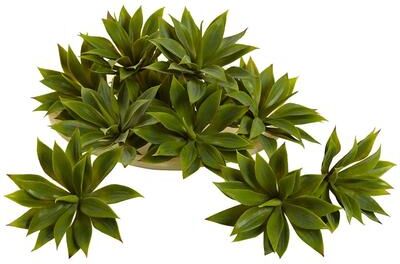
Nearly Natural "29"" Double Agave Succulent Artificial Plant"Make your space green and full of life with this realistic-looking artificial succulent. Green leaves give the plant a lush, healthy look, while the plain black planter is simple and easy to match.84,52 $*Shipping: 0,00 $Secure redirect to the provider
-
What is cellular respiration?
Cellular respiration is the process by which cells break down glucose and other organic molecules to produce energy in the form of ATP (adenosine triphosphate). This process occurs in the mitochondria of cells and involves a series of biochemical reactions that ultimately convert the energy stored in glucose into a usable form for the cell. Cellular respiration is essential for the survival of all living organisms as it provides the energy needed for various cellular activities and functions. **
-
Which option is better: agave syrup or maple syrup?
The choice between agave syrup and maple syrup ultimately depends on personal preference and dietary needs. Agave syrup has a lower glycemic index, making it a better option for individuals monitoring their blood sugar levels. On the other hand, maple syrup contains more antioxidants and minerals, such as manganese and zinc. Both syrups can be used as natural sweeteners, so it is important to consider your health goals and taste preferences when choosing between the two. **
-
Where does the plant cell get its oxygen for cellular respiration?
The plant cell gets its oxygen for cellular respiration from the process of photosynthesis. During photosynthesis, plants use sunlight to convert carbon dioxide and water into glucose and oxygen. The oxygen produced during photosynthesis is then used by the plant cell for cellular respiration, where it is combined with glucose to produce energy for the cell. This process allows the plant to generate the oxygen it needs for cellular respiration and release it into the environment as a byproduct. **
-
How does skin respiration work?
Skin respiration, also known as cutaneous respiration, is the process by which oxygen is absorbed and carbon dioxide is released through the skin. This process occurs in many animals, especially those with thin or moist skin, such as amphibians and some invertebrates. In skin respiration, gases diffuse across the skin's surface due to differences in partial pressures between the external environment and the internal tissues. Oxygen from the surrounding air or water diffuses into the skin and then into the bloodstream, where it can be transported to cells for cellular respiration. Carbon dioxide, a waste product of cellular respiration, diffuses out of the bloodstream and is released through the skin into the environment. Skin respiration is particularly important for animals that have a low metabolic rate or live in environments with low oxygen levels, as it provides an additional route for gas exchange. However, it is less efficient than respiratory systems such as lungs or gills, so it is typically used in conjunction with other forms of respiration. **
Similar search terms for Respiration
-
Organic Agave Syrup 330gOrganic Agave syrup is a natural sweetener extracter from the heart of a Blue Agave plant. Agave is a low glycemic indez sweetener, so it is a slowly absorbed into the body preventing spikes in blood sugar. It is 1 1/4 times sweeter than sugar, so you need less. The sweet mild taste is perfect for sweetening beverages, baking etc, use it wherever you would use table sugar.4,90 £*Shipping: 3,90 £Secure redirect to the provider
-
Nearly Natural "37"" Double Agave Succulent Artificial Plant in Slate Planter"Welcome a relaxed vibe with this artificial double agave succulent. Showcasing realistic looking leaves in natural coloration stemming from two sturdy trunks, it projects southwestern flair.141,46 $*Shipping: 0,00 $Secure redirect to the provider
-
Do mushrooms undergo cellular respiration?
Yes, mushrooms do undergo cellular respiration. Just like other living organisms, mushrooms require energy to carry out their metabolic processes, and cellular respiration is the process by which they generate this energy. During cellular respiration, mushrooms break down organic molecules to produce ATP, the energy currency of the cell, which is used to fuel their growth, reproduction, and other biological functions. **
-
What is glycolytic cellular respiration?
Glycolytic cellular respiration is the process by which cells break down glucose to produce energy in the form of adenosine triphosphate (ATP). This process occurs in the cytoplasm of the cell and involves a series of enzymatic reactions that convert glucose into pyruvate. Glycolysis is the first stage of cellular respiration and is anaerobic, meaning it does not require oxygen. The ATP produced during glycolysis can be used by the cell for various energy-requiring processes. **
-
When does cellular respiration occur?
Cellular respiration occurs in the cells of living organisms constantly, as it is the process by which cells break down glucose and other organic molecules to produce energy in the form of ATP. This process is essential for the survival of cells and the organism as a whole, providing the energy needed for various cellular activities. Cellular respiration occurs in the presence of oxygen (aerobic respiration) or in the absence of oxygen (anaerobic respiration), depending on the availability of oxygen in the environment. **
-
In which parts of the plant does cellular respiration and photosynthesis occur?
Cellular respiration occurs in the mitochondria of plant cells, while photosynthesis occurs in the chloroplasts. During cellular respiration, glucose and oxygen are used to produce energy in the form of ATP, while in photosynthesis, light energy is used to convert carbon dioxide and water into glucose and oxygen. These processes occur in different parts of the plant cell and are essential for the plant's survival and growth. **
* All prices are inclusive of VAT and, if applicable, plus shipping costs. The offer information is based on the details provided by the respective shop and is updated through automated processes. Real-time updates do not occur, so deviations can occur in individual cases. ** Note: Parts of this content were created by AI.